from Home My Heaven: Home Improvement Blog http://www.homemyheaven.co.uk/2017/01/modernising-your-garage.html
Tuesday, 31 January 2017
Modernising your garage to add value to your home
from Home My Heaven: Home Improvement Blog http://www.homemyheaven.co.uk/2017/01/modernising-your-garage.html
Saturday, 28 January 2017
Staying current with the carpet and flooring trends of 2017 – Spruce up your floor
from Home My Heaven: Home Improvement Blog http://www.homemyheaven.co.uk/2017/01/carpet-flooring-trends.html
Friday, 27 January 2017
5 Cases when calling an electrician is mandatory for your home
![]() |
| Electrician |
from Home My Heaven: Home Improvement Blog http://www.homemyheaven.co.uk/2017/01/calling-electrician.html
Thursday, 26 January 2017
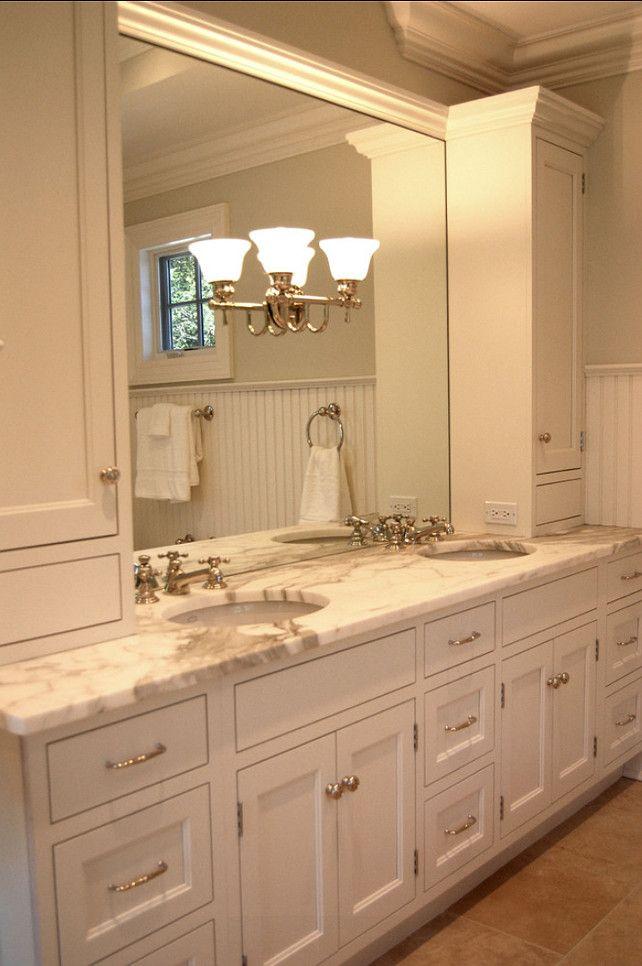
2 Stunning Hardwoods That Make the Best Bathroom Vanities
-
Maple Wood
-
It has consistent and fine grain all over it that makes for a uniform, handsome appearance.
-
This wood has warm consistent shading, which takes stains brilliantly.
-
It is absolutely durable. And in fact, it is said to be sturdier than any other wood.
-
Walnut Wood
-
This is quite a strong wood. But still, try o prevent it from blows and bashes.
-
Walnut wood has smooth, fine and general straight wood grain, which makes it look classy. In fact, it mellows with age. Trust me; you’ll love to see the color transformation from dark to light.
from Home My Heaven: Home Improvement Blog http://www.homemyheaven.co.uk/2017/01/wholesale-bathroom-vanities.html
Wednesday, 25 January 2017
What Type of Concrete is Right for Your Garden Project
Garden renovations are a common practice for homeowners all over the world, whether it’s turning a jungle of a garden into a neat, clean living space or it’s just bringing your outdoor area up to date. Everyone has an idea of what they want their renovated garden to look like – what plants are going to take which spots, where the pond might go, how big the patio is going to be – but knowing the materials required for certain aspects of the project is a different matter.
In this piece, we are going to detail why you might concrete for different aspects of your garden project and why they are necessary. (Different types of concrete have different pricing, so please ensure you understand the costs of each concrete before you begin):
External pathways:
For external pathways, we recommend C30 concrete. This concrete is designed for lighter applications, like paving in gardens. The PAV 1 mixes of C30 concrete contain an air entrainment additive, used to create standard air bubbles that help to protect the concrete from freeze-thaw cycles.
Swimming pools:
As swimming pools are obviously heavy, the concrete that they need to be built upon needs to be strong. C40 concrete is ideal for this purpose. It’s used commonly for support beams and structural support, including footage and foundations. C40 concrete is also used for septic tanks.
Fence posts:
In order to ensure your fence posts are secured in the ground, they need to have solid foundations. C20 concrete is the ideal choice for this, as it is designed for lightweight domestic applications.
Patios:
For seating and socialising in your garden, you can’t go wrong with a patio. But the patio needs a solid base to ensure people are sitting comfortably. C20 concrete is the material for you.
Find out more at EasyMix Concrete UK Ltd in London
The post What Type of Concrete is Right for Your Garden Project appeared first on UK Home Improvement Blog.
from UK Home Improvement Blog http://www.ukhomeimprovement.co.uk/what-type-of-concrete-is-right-for-your-garden-project/
Tuesday, 24 January 2017
Points To Consider When Buying A Mini Digger For Yourself
Factors To Keep In Min When Comparing Diggers
Bore
Net Power
Swing System
Engine Fuel
Maximum Governed
Maximum Digging Depth
Max Dump Height
Operating Weight
from Home My Heaven: Home Improvement Blog http://www.homemyheaven.co.uk/2017/01/buying-mini-digger.html
Friday, 20 January 2017
6 Tips For Approaching Home Upkeep Like A Pro
For a lot of homeowners there’s something appealing about personally taking care of jobs around the house. While there are definitely times to leave it to the professionals, there’s something satisfying about using your own hands to fix up your home when you can manage it.
Of course, much of your ability to take care of home repairs depends on the job itself and your skill as a handyman, but it’s not all up to skill. Sometimes having the right tools for the job can have you well on your way to a professional approach to basic projects. Here are a few specific tips to keep in mind.
1. Learn The “Hacks”
There are usually more than a few easy ways to simplify small repairs around the house. Remodeling Expense wrote up a helpful list of home “life hacks” that dealt with everything from fixing scuffed floors to hiding the wiring for a mounted television. Learning some of these tracks can have you well on your way to being more handy around the house and maintaining it like a pro.
2. Upgrade Your Tools
For a lot of homeowners a toolkit typically means a few basic handheld tools that have probably been lying around for years, maybe with a set of wrenches thrown in. But upping your tool game can help you do a far more thorough and professional job when addressing a lot of home repairs. A power drill is one of the essentials for any home collection and Screwfix has neatly catalogued a number of drills to make it easy for you to find the perfect one for your home. We recommend finding a decently powerful cordless model with a reverse setting to get yourself started.
3. Have a Home Starter Kit
In addition to a solid power drill there are also a few other must-haves for any home starter kit. A hammer is something of a no-brainer but you should also have two types of manual screwdrivers (a flat head and a Phillips head), a set of hex wrenches, an adjustable wrench, a measuring tape, and a level. With a set of tools at your disposal that covers the basics you’ll be well on your way to fixing up your home in no time.
4. Find Ways To Practice
From fixing electrical wiring to repairing a hole in a wall, home upkeep can present a lot of jobs that you may have never tried before. That can be a bit intimidating, but as with most everything else in life, practice makes perfect. That means one of the best ways to set about becoming a professional-caliber home DIY’er is to find ways to gain some more experience. You might want to try your hand at finishing or remodeling a basement or some other out-of-the-way room just for practice, or build a workshop or garden shed on your property. Projects like these can expose you to all kinds of jobs that you’ll learn valuable lessons from and help prepare you for future problems.
5. Remember To Be Organized
It’s tempting to look at home repair tasks as being all about hands-on work, but the best repair jobs tend to be the most organized ones. That means you’ll also want to keep things clean and maintain records of your progress. This isn’t particularly complicated, but you may want to have a notebook set aside for jobs around the house. In it you can record a list of things that need doing, materials you need, and progress on various ventures. Additionally, you should always keep adequate cleaning materials nearby—it’s pretty easy to make a mess otherwise.
6. Know Your Limits
Finally, it’s important to know your own limits. Optimism, hard work, and a will to learn can take you a long way, but The Huffington Post points out that there are some projects you probably shouldn’t try on your own unless you happen to have the necessary expertise. Even the handiest of homeowners still recognize the need to call a professional from time to time!
The post 6 Tips For Approaching Home Upkeep Like A Pro appeared first on Homey Improvements.
from Homey Improvements http://homeyimprovements.com/6-tips-approaching-home-upkeep-like-pro/